



Related posts
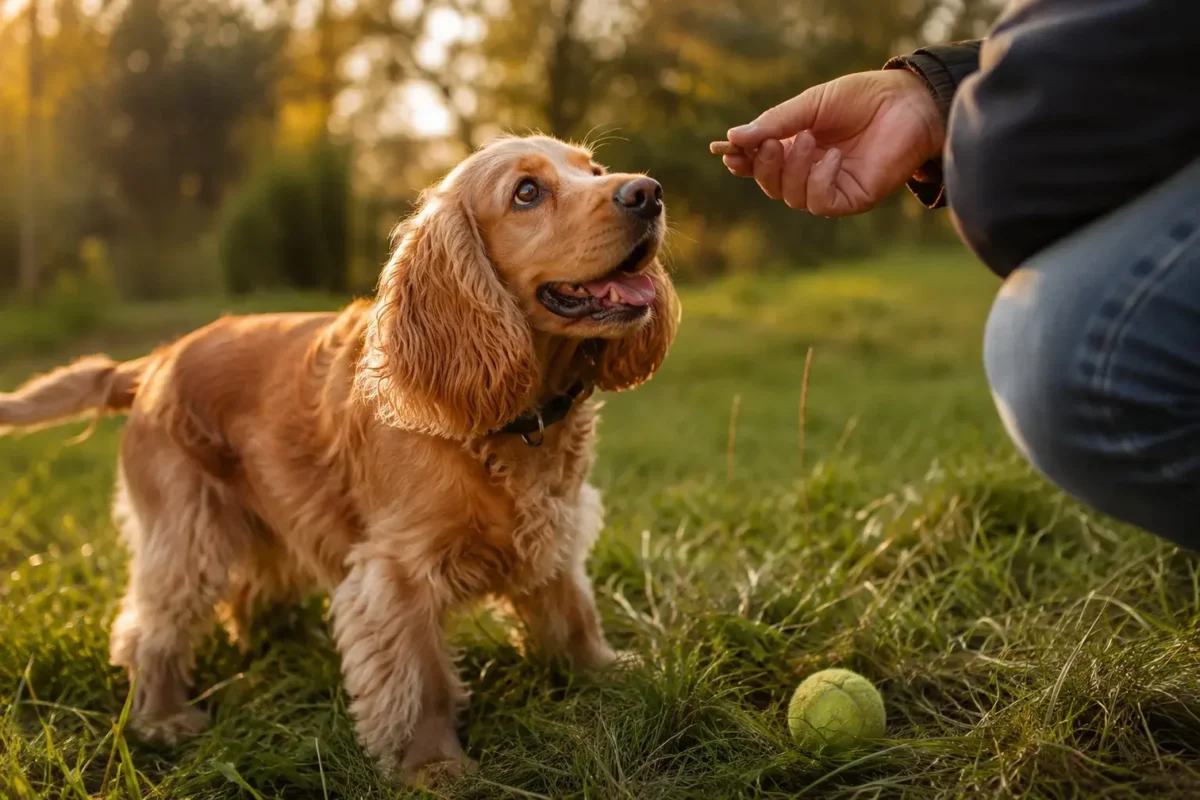
Six Ten-Minute Drills for a Dog With Too Much Energy

A long walk tires the legs. These tire the head — and a tired head is what actually settles a dog.
Navigate
Shop Blog About Contact Track orderCategories
Clean Up Feed Station Grooming Kit Play Gear Rest & Recovery Street & Trail
There is a drawer in most homes full of expensive toys that were sniffed once and abandoned. The problem is rarely the toy. It is that dogs do not play generically — they play in a particular style, and a toy either supports that style or it does not.
Shredders want to take things apart. Layered toys, snuffle mats and anything with a destructible outer shell. Give them something designed to be dismantled or they will pick the sofa.
Chewers want sustained pressure, not destruction. Dense rubber and firm chews. A shredder toy lasts four minutes with these dogs; a chew toy lasts weeks.
Tuggers want the game to include you. Rope and bungee toys. On their own these toys are inert — the dog is not interested in the rope, they are interested in the resistance at the other end.
Chasers want movement. Balls, flirt poles, anything that travels. A stationary toy simply does not register.
Problem solvers want a puzzle with a payoff. Treat dispensers and puzzle feeders. These are the dogs that get destructive out of boredom rather than energy.
A collie is often chaser plus problem solver. A terrier is frequently shredder plus chaser. Watch what your dog does with a new object in the first thirty seconds — that is the honest answer, and it is more reliable than any breed generalisation.
Keep four or five toys available and the rest packed away. Swap weekly. A toy that has been out of sight for ten days comes back genuinely novel. This costs nothing and works better than buying more.
Size up rather than down — anything that fits entirely inside the mouth can be swallowed. Retire toys once they split. Squeakers and plastic eyes come out first with determined shredders, so supervise the first few sessions with anything new. And no toy is unsupervised-safe for a dog that swallows pieces; for those dogs, play is a supervised activity, full stop.
Monday – Friday, 10:00 AM – 7:00 PM; Saturday, 10:00 AM – 5:00 PM; Sunday, 11:00 AM – 5:00 PM (CST) Closed: US Public Holidays